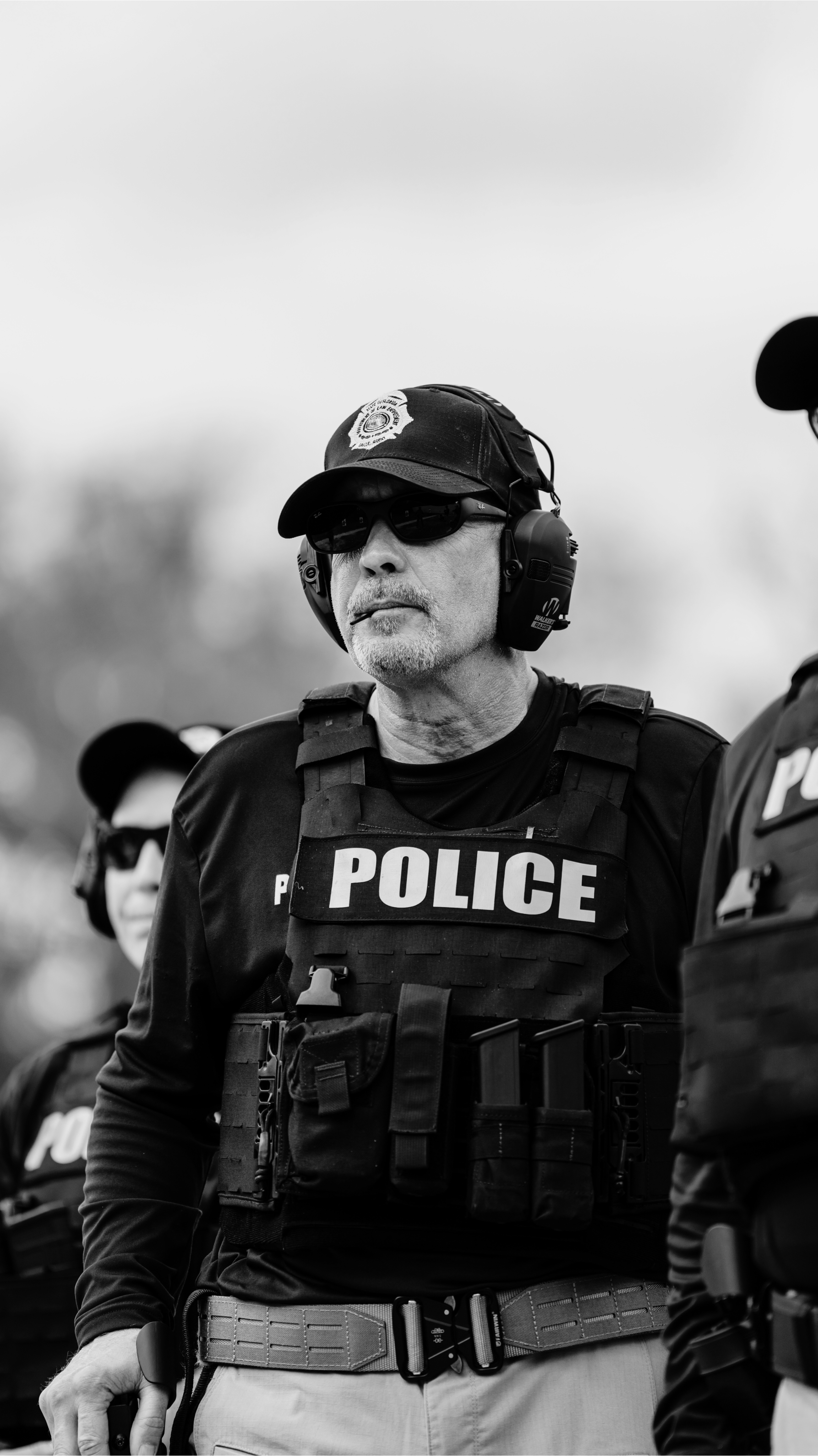
I spent 4 years as a Crisis Negotiations Team Leader. In that time, I learned something that surprises most people. The best negotiators aren't the smoothest talkers. They're the best listeners.
You don't talk someone down. You listen to them down.
A crisis call is a person on the worst day of their life. Your job isn't to win. It's to buy time, lower the temperature, and give them a reason to choose living over the alternative. That takes a specific kind of person. Here are the 5 traits I looked for every time I built a team.
1. Patience
A crisis runs on the subject's clock, not yours. The moment you rush, you lose.
Patience is a tactic, not a personality trait. Time lowers adrenaline. Time builds trust. Time lets a person move from panic to thinking. The negotiators who tried to speed things up almost always made them worse. The ones who could sit in silence and wait were the ones who brought people out.
2. Real listening
Most people listen to respond. A negotiator listens to understand.
That means hearing what's underneath the words. A person in crisis rarely says what they actually need on the first try. When you truly listen, you catch the real problem behind the threat. And when someone feels heard, they start to come down on their own. You didn't argue them out of it. You listened them out of it.
3. Empathy
I've said it my whole career. Empathy is the most powerful tool in the room.
Empathy is not agreeing with someone. It's showing them you understand how they got here. A person who feels understood stops fighting you and starts working with you. Every crisis I helped resolve, I resolved by connecting with the human being on the other end, not by beating them.
4. Emotional control
The subject brings the chaos. You bring the calm.
If your voice climbs, theirs climbs with it. A good negotiator keeps a steady tone no matter what gets thrown at them. That control is contagious. When you stay calm long enough, the other person borrows it. You become the anchor in the room, and the anchor is what saves lives.
5. Humility
The negotiators who failed were usually the ones who needed to be right.
Ego has no place on a crisis call. It's not about your plan or your timeline. It's about the person and what will move them. The best negotiators check their pride at the door, adjust when something isn't working, and let the small wins add up. Humility keeps you flexible, and flexibility keeps people alive.
What this means for team leaders
If you lead a negotiations team, you already know that skills can be trained. Traits can be developed too, but only if you know what to look for.
Patience, listening, empathy, emotional control, and humility. Those are the foundation. Tactics sit on top of them. Put a great tactic in the hands of someone with no patience and no humility, and you have a bad outcome waiting to happen.
That's the heart of what we build in Introduction to Crisis Negotiations. Not a script to memorize. The mindset and the habits that make the script work when it matters most.
40 years of service. What I teach, I lived.
Want this training for your team? Reach out and let's talk.
Polished Badge
polishedbadge.com · info@polishedbadge.com · (303) 587-0483
Training · Leadership · Service